
News on culture, society and lifestyle in the world
Provided by AGP
Madhya Pradesh pushes tribal art sales through Aadirang platform
May 15, 2026
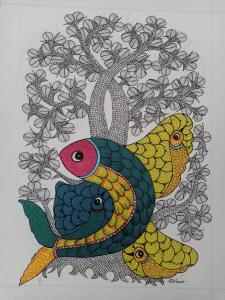
By AI, Created 5:11 PM UTC, May 18, 2026, /AGP/ – Madhya Pradesh is using its Aadirang digital platform to help Gond and Baiga artists sell directly to collectors in India and abroad. The state-backed effort is meant to protect tribal art, raise incomes and cut out middlemen.
Why it matters: - Madhya Pradesh is turning tribal art into a direct-to-market income stream for artists from communities that have long faced exploitation by middlemen. - The Aadirang platform is helping Gond and Baiga makers reach buyers in India and overseas while keeping sales tied to community-led training and certification. - The shift is also raising the market value of tribal work, with higher prices now reaching artists rather than intermediaries.
What happened: - Aadirang, launched in March 2021 by Vanya Prakashan, the publication wing of the Madhya Pradesh Tribal Affairs Department, is showcasing Gond and Baiga art from districts including Dindori, Mandla, Shahdol and surrounding tribal regions. - The platform is designed and operated by the Madhya Pradesh Tribal Affairs Department through Vanya Prakashan. - The initiative began as a pandemic-era support measure and has grown into a cultural commerce model for the state. - The program was described as a state-backed digital effort to connect tribal artists directly with global collectors, transparently and fairly.
The details: - Madhya Pradesh has 43 recognised Scheduled Tribes, which make up nearly 21.1% of the state population, or more than 1.53 crore people. - The Gond community is concentrated in districts such as Dindori, Mandla, Chhindwara and Balaghat. - The Baiga tribe is recognised as a Particularly Vulnerable Tribal Group and is mainly found in Mandla, Dindori, Shahdol and Anuppur. - More than 4.14 lakh Baigas live in Madhya Pradesh, making the state the largest custodian of the community in India. - The global rise of Gond art is tied to Patangarh village in Dindori district, where nearly every household is involved in painting. - Pardhan Gond artist Jangarh Singh Shyam was discovered there in the 1980s by artist and Bharat Bhavan director J. Swaminathan. - Jangarh Singh Shyam helped push Gond art into national and international attention through exhibitions in Delhi, Tokyo and New York. - Gond painting from Madhya Pradesh received a Geographical Indication tag in April 2023, jointly awarded to Vanya Prakashan and the Tejaswini Mekalsuta Mahasangh. - The GI tag strengthened legal protection against imitation and increased the economic value of the art form. - Paintings that once sold for a few hundred rupees now sell for several thousand. - Baiga artists are gaining visibility through paintings tied to forest life, tattoo traditions, rituals and festivals such as Birhanniya. - Baiga works from Madhya Pradesh have been shown in international galleries, including in the United States. - Aadirang represents all 43 recognised tribes of the state. - The platform has three parts: a digital marketplace for tribal art and handicrafts, certified online training in Gond and Bhil Pithora art with Jagran Lakecity University in Bhopal, and a community radio network headquartered in Bhopal with digital stations being added across tribal districts. - Artists are identified through district-level outreach and surveys, then onboarded with banking and logistics support. - Master artisans from within tribal communities train new artists so the knowledge stays community-led and self-sustaining. - Vanya Prakashan has also started international cultural exchange programs that present indigenous artists from Madhya Pradesh as cultural ambassadors. - The Madhya Pradesh Tourism Board says tribal art is part of the state’s identity as the “Heart of Incredible India.” - The Tribal Museum in Bhopal, inaugurated in 2013, provides cultural context and draws visitors, scholars, collectors and researchers. - The Indira Gandhi Rashtriya Manav Sangrahalaya has supported visibility for Gond and other tribal art through workshops, exhibitions and outreach.
Between the lines: - The Aadirang model goes beyond sales by linking preservation, training, media and commerce into one system. - That structure gives tribal artists more control over pricing, presentation and market access. - The push also reflects a broader effort by Madhya Pradesh to position indigenous art as a living economic asset, not just museum heritage.
What’s next: - The platform is expected to keep expanding its digital marketplace, training network and community radio footprint across tribal districts. - Madhya Pradesh’s tribal artists are likely to deepen their direct access to collectors as the system scales. - State institutions will keep using exhibitions, museums and exchange programs to build global visibility for Gond, Baiga and other tribal traditions.
The bottom line: - Madhya Pradesh is building a state-backed pipeline that lets tribal artists sell, train and tell their stories on their own terms.
Disclaimer: This article was produced by AGP Wire with the assistance of artificial intelligence based on original source content and has been refined to improve clarity, structure, and readability. This content is provided on an “as is” basis. While care has been taken in its preparation, it may contain inaccuracies or omissions, and readers should consult the original source and independently verify key information where appropriate. This content is for informational purposes only and does not constitute legal, financial, investment, or other professional advice.
Sign up for:
Global Culture Review
The daily local news briefing you can trust. Every day. Subscribe now.
Check Your Email!
We sent a one-time activation link to: .
Confirm it's you by clicking the email link.
If the email is not in your inbox, check spam or try again.
Welcome back!
is already signed up. Check your inbox for updates.