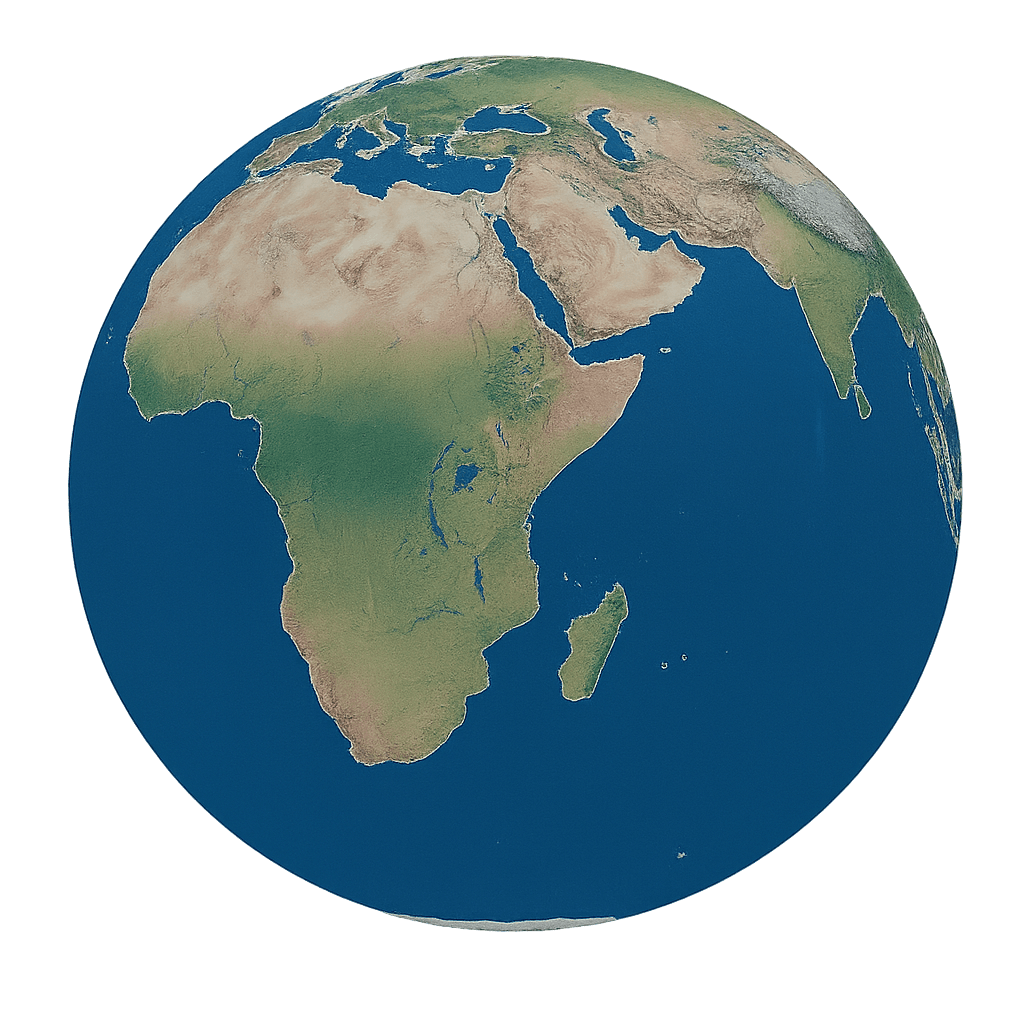

Drought Conditions Elevate Urgency for Reduce Your Lawn Day Movement

More than half of the United States is experiencing drought conditions, according to U.S. Drought Monitor data from April 21, 2026, highlighting pressure on water resources nationwide. Source: U.S. Drought Monitor via Drought.gov
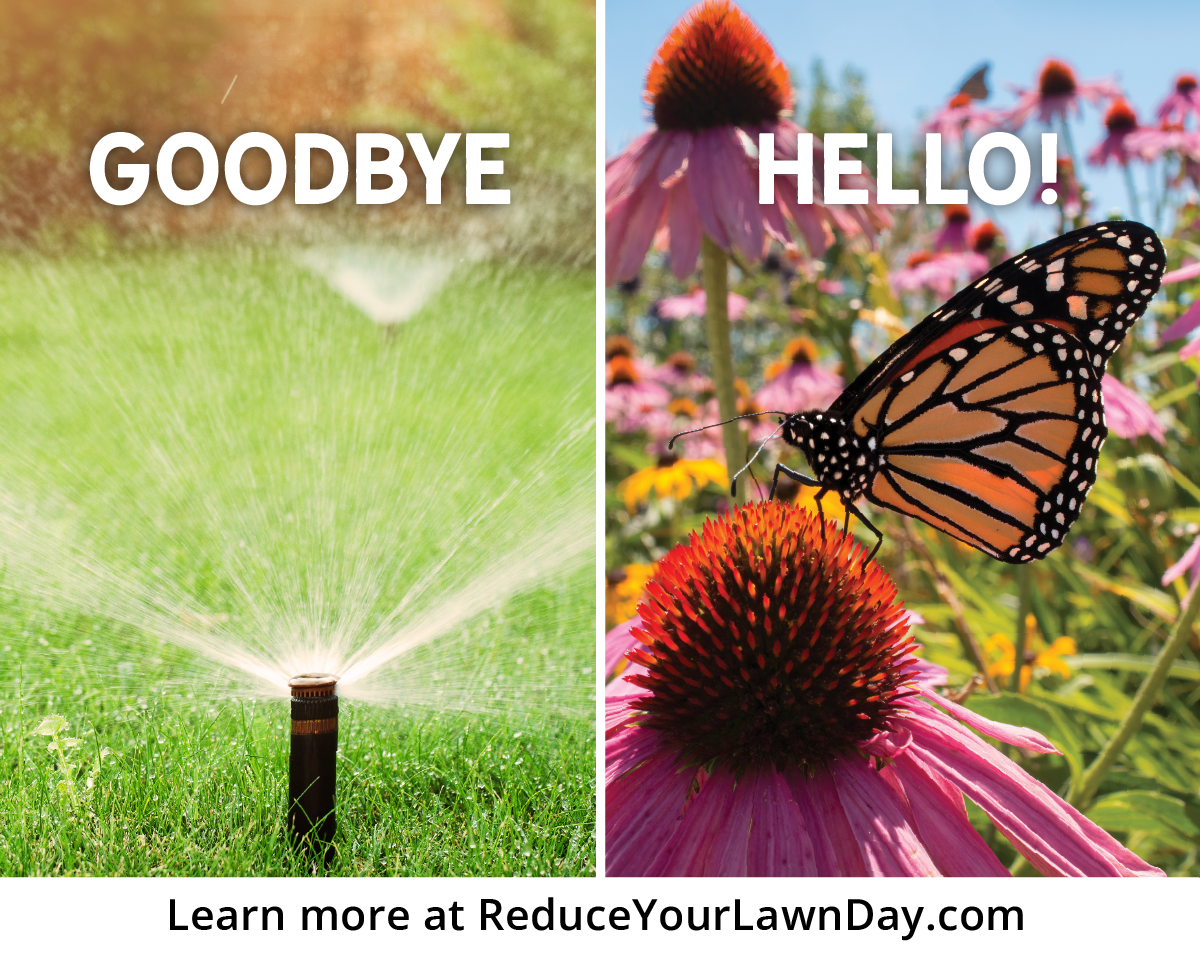
As drought impacts much of the U.S., reducing traditional lawns can significantly cut water use. Replacing turf with native plants supports pollinators, conserves water, and creates more resilient landscapes, a key goal of the Reduce Your Lawn Day movement.

Homeowners across the U.S. are replacing traditional turf with native plants and meadow style landscapes that conserve water, support pollinators, and create more resilient yards, a growing trend driven by the Reduce Your Lawn Day movement.
Reduce Your Lawn Day encourages homeowners to replace traditional turf with native plants that conserve water, support pollinators, and restore habitat, proving that small changes across thousands of yards can create meaningful environmental impact.
American Meadows encourages homeowners to rethink turf and join the Reduce Your Lawn Day movement, where small changes save water and support pollinators.
According to American Meadows, one of the most impactful changes homeowners and land stewards can make is surprisingly simple: reduce your lawn.
As of April 21st, 2026, roughly 63% of the contiguous U.S. is experiencing drought conditions, according to the U.S. Drought Monitor, placing increasing pressure on water resources nationwide. Lawns, which cover more than 40 million acres nationwide, represent one of the largest irrigated ‘crops’ in the United States and a major source of residential water demand. With outdoor irrigation accounting for nearly 30% of household water use, reducing lawn space is one of the most immediate ways homeowners can conserve water, especially in regions facing ongoing drought.
As part of the growing Reduce Your Lawn Day movement, co-founded by garden communicator Kathy Jentz, homeowners across the country are rethinking traditional turf and replacing even small portions with native plants, wildflowers, and pollinator-friendly gardens that support biodiversity, conserve water, and improve soil health.
“With drought affecting so much of the country, reducing your lawn is one of the most practical ways people can make a real difference right at home,” says Tabar Gifford, Master Gardener and Partnership Cultivator at American Meadows.
WHY REDUCING YOUR LAWN MATTERS MORE THAN YOU THINK
Traditional turfgrass lawns often require frequent mowing, irrigation, and chemical inputs while offering limited ecological benefit. In contrast, replacing even a small portion of lawn with native plants, wildflowers, or meadow plantings can significantly improve environmental outcomes.
“Lawns have long been the default, but they’re one of the least ecologically productive landscapes we maintain,” says Gifford. “When we replace even a small section, we begin restoring the natural systems that support life, from soil microbes to pollinators and birds.”
SMALL CHANGES, COLLECTIVE IMPACT
While replacing an entire lawn can feel overwhelming, the Reduce Your Lawn Day movement is built on a simple idea: start small, and start somewhere.
In 2025, participants in Reduce Your Lawn Day collectively pledged to replace more than 36 million square feet of lawn, equal to roughly 830 acres, nearly the size of New York City’s Central Park, a powerful demonstration of how small, individual actions can scale into meaningful environmental impact, especially as drought conditions continue to intensify across the country.
Homeowners can:
• Replace a strip of lawn along a walkway with waterwise perennials
• Convert an underutilized corner of the yard to a pollinator-friendly garden bed
• Swap turf for native grasses or groundcovers
“A few square feet might not seem like much,” Gifford says, “but when thousands of people make that same change, it becomes something powerful. That’s how landscapes and ecosystems start to shift.”
WATER CONSERVATION AND HEALTHIER SOIL
As drought conditions intensify across the U.S, reducing high-water-use landscapes like traditional lawns is becoming increasingly important. Lawns are one of the largest sources of residential water use in the U.S, especially during peak growing seasons, with demand increasing significantly during periods of drought.
Native plants and meadow systems, by contrast, develop deep root systems that:
• Improve soil structure
• Increase water infiltration
• Reduce runoff and pollution
These systems help keep water where it belongs in the ground while protecting nearby waterways.
“Reducing your lawn isn’t just about aesthetics anymore, it’s about resilience,” says Gifford. “When water becomes more limited, every square foot of turf you replace becomes part of the solution.”
CLEANER AIR STARTS IN YOUR BACKYARD
Reducing lawn size doesn’t just save water; it can also improve air quality. Diverse plantings help filter pollutants, support soil microbes, and reduce emissions from gas-powered lawn equipment. Meadows and native gardens act as natural air filters, capturing particulate matter and contributing to healthier local environments.
“When we rethink our lawns, we’re not just changing how our yard looks, we’re changing how it functions,” says Gifford. “It becomes part of a living system.”
RESTORING HABITAT, ONE YARD AT A TIME
Reducing lawn space also plays a critical role in supporting biodiversity. Native plants provide essential resources for pollinators, including nectar, pollen, and shelter, helping counteract widespread habitat loss.
“In many places, habitat loss is one of the biggest threats to pollinators,” says Gifford. “When homeowners convert even a small piece of lawn, they’re creating stepping stones that connect ecosystems.”
JOIN THE REDUCE YOUR LAWN MOVEMENT
With drought conditions impacting communities across the country, the need for more sustainable landscapes has never been clearer. American Meadows invites homeowners to take the next step by participating in Reduce Your Lawn Day, a growing movement focused on rethinking traditional landscapes and embracing more sustainable alternatives.
“Think of your yard as part of something bigger,” Gifford says. “Every change you make, no matter how small, helps rebuild the connection between people, plants, and the ecosystems we depend on.”
ABOUT REDUCE YOUR LAWN DAY
Reduce Your Lawn Day is a registered national initiative co-founded by American Meadows, High Country Gardens, and Kathy Jentz, author of Groundcover Revolution. The campaign encourages homeowners, gardeners, and communities to transform traditional turf lawns into pollinator-friendly, sustainable landscapes. By celebrating simple, collective actions, Reduce Your Lawn Day promotes climate resilience, habitat restoration, water conservation, and a healthier relationship with the land. Every season offers opportunities to participate, whether in spring, summer, or fall.
ABOUT AMERICAN MEADOWS
American Meadows is Doing Good Through Gardening. Their innovative wildflower seed mixes, pre-planned perennial gardens, and lawn alternatives are a go-to for online gardeners. With over 40 years of experience and 650,000 happy customers, American Meadows is the authority in meadowscaping. Visit www.americanmeadows.com to learn more.
EXPERT RESOURCES AND GUIDES FOR GARDENERS:
Reduce Your Lawn Day Resources: https://www.americanmeadows.com/pages/reduce-your-lawn-day
How to Remove Turf Lawn: https://www.americanmeadows.com/blogs/wildflower-seeds/how-to-seed-planting-preparation
Connect With The Community: https://www.facebook.com/groups/reduceyourlawnday
Tabar Gifford
American Meadows Inc
ltabar@americanmeadows.com
Visit us on social media:
Instagram
Facebook
YouTube
TikTok
Other
Bluesky
LinkedIn
One backyard, one small change. For Reduce Your Lawn Day, see how less grass can create beauty, support pollinators, and transform a yard.
Legal Disclaimer:
EIN Presswire provides this news content "as is" without warranty of any kind. We do not accept any responsibility or liability for the accuracy, content, images, videos, licenses, completeness, legality, or reliability of the information contained in this article. If you have any complaints or copyright issues related to this article, kindly contact the author above.
