

New Alliance Formed to Confront ‘Psychosocial Hazards’ as Global Worker Safety Day Highlights this Crisis
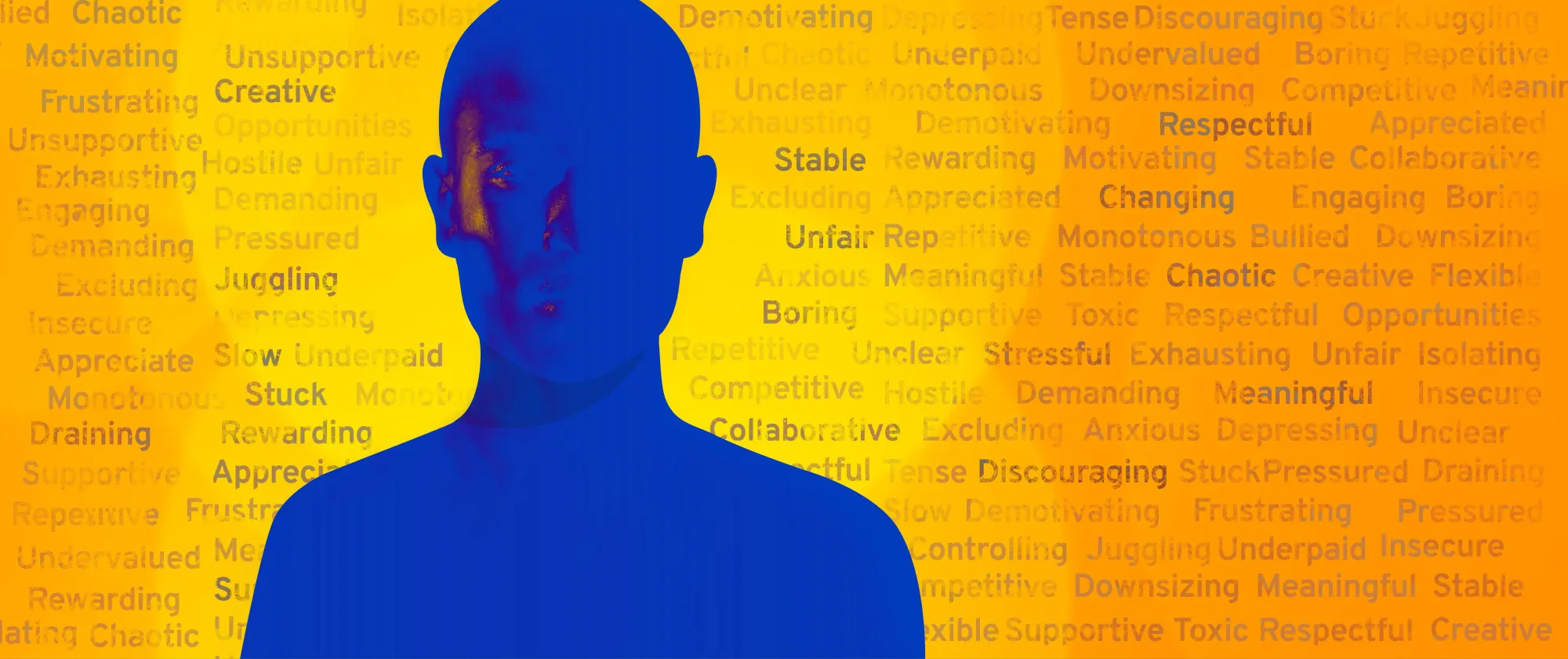
Ensuring a healthy psychosocial working environment
On World Day for Safety and Health at Work a coalition highlights overlooked threats to worker health and calls for U.S. action, citing new international report
LOS ANGELES, CA, UNITED STATES, April 28, 2026 /EINPresswire.com/ -- As the world marks the 2026 World Day for Safety and Health at Work—recognized in the United States as Workers Memorial Day—the International Labour Organization (ILO) is releasing a new report identifying the psychosocial working environment as a critical threat to worker health worldwide. In response—and to the United States’ continued lag in recognizing or regulating these risks—the Work Stress Prevention Alliance (WSPA) has formed to confront psychosocial hazards in the workplace.
Psychosocial hazards arise from how work is designed, organized, and managed, including excessive workloads, long hours, low job control, job insecurity, inadequate support, work–family conflict, and workplace bullying. Each is now recognized as a significant risk factor for adverse physical and mental health outcomes.
In the U.S., Workers Memorial Day—established by the AFL-CIO in 1989—honors workers who have died due to unsafe conditions and reaffirms every worker’s right to a safe and healthy job. Yet that right remains out of reach for many. More than 5,000 U.S. workers die from traumatic injuries each year and an estimated 135,000 from occupational diseases—about 385 per day. But the crisis extends far beyond these figures.
Deaths linked to psychosocial hazards are difficult to count but are estimated at 70,000 annually—or as high as 120,000 when including deaths tied to unemployment and lack of health insurance. These harms are largely preventable and often stem from how work is designed, organized, and managed.
Work-related stress is widespread: 77% of workers report stress in the past month, and 57% say it has harmed their health and well-being. Nearly two-thirds of
Americans identify work as a major source of stress. Consequences include elevated risks of chronic disease and heart attacks, and individuals with high work-related stress are twice as likely to experience suicidal thoughts.
“Workplace health and safety should be more broadly defined,” said Laura Punnett, Professor Emerita at the University of Massachusetts Lowell, Center for the Promotion of Health in the New England Workplace, and WSPA member. “The way work is designed—whether workers have control, stability, and reasonable demands—can be just as dangerous as any physical hazard.”
WSPA was formed in response to this ongoing toll, bringing together experts from Stanford University, UCLA, the University of Massachusetts Lowell, the Oregon Healthy Workforce Center, the American Federation of Teachers, and the Healthy Work Campaign, alongside leaders in occupational health research, policy-making, and worker advocacy. Evidence shows workplace conditions are driving outcomes including burnout, cardiovascular disease, depression, and injury.
The WSPA’s mission is supported by the ILO report, which emphasizes prevention by identifying risks rooted in job design, work organization, and policies shaping daily conditions. Together, the global observance and report underscore a growing consensus: workplace conditions are fundamental occupational hazards requiring action alongside physical, chemical, and biological risks. Yet the U.S. lacks coordinated systems to track psychosocial hazards and enforce standards.
The urgency is heightened by erosion of worker protections in the U.S. Progress driven by OSHA, NIOSH, and MSHA is being undermined by staffing cuts, weakened enforcement, and deregulation. Inspections have declined, leaving workers—especially in low-wage and high-risk industries—more exposed to preventable harm. Power imbalances further limit workers’ ability to raise concerns, compounding risks.
“If we’re serious about worker health, we can’t ignore excessively stressful working conditions that are making people sick in the first place,” said Peter Schnall, Founder and Executive Director of the Healthy Work Campaign and WSPA member. “The key is prevention—changing how work is structured so it supports health, rather than undermines it.”
WSPA aims to close this gap by advancing research-informed guidelines, building partnerships, and supporting policies, laws, and regulations to prevent work-related stress and protect worker health. By aligning its launch with a global day of action and a major international report, WSPA seeks to elevate psychosocial hazards as a central workplace health and safety issue and push for long-overdue action in the U.S.
Zach Schnall
Work Stress Prevention Alliance
+1 310-403-4964
email us here
When work affects health: understanding psychosocial risks
Legal Disclaimer:
EIN Presswire provides this news content "as is" without warranty of any kind. We do not accept any responsibility or liability for the accuracy, content, images, videos, licenses, completeness, legality, or reliability of the information contained in this article. If you have any complaints or copyright issues related to this article, kindly contact the author above.
