

Hoi Ans Food Reveals the History of a Former Trading Port

hoian.co is an independent English-language travel information platform focused on Hoi An, Vietnam. It covers the town’s places, history, culture, cuisine, everyday life and practical trip planning.
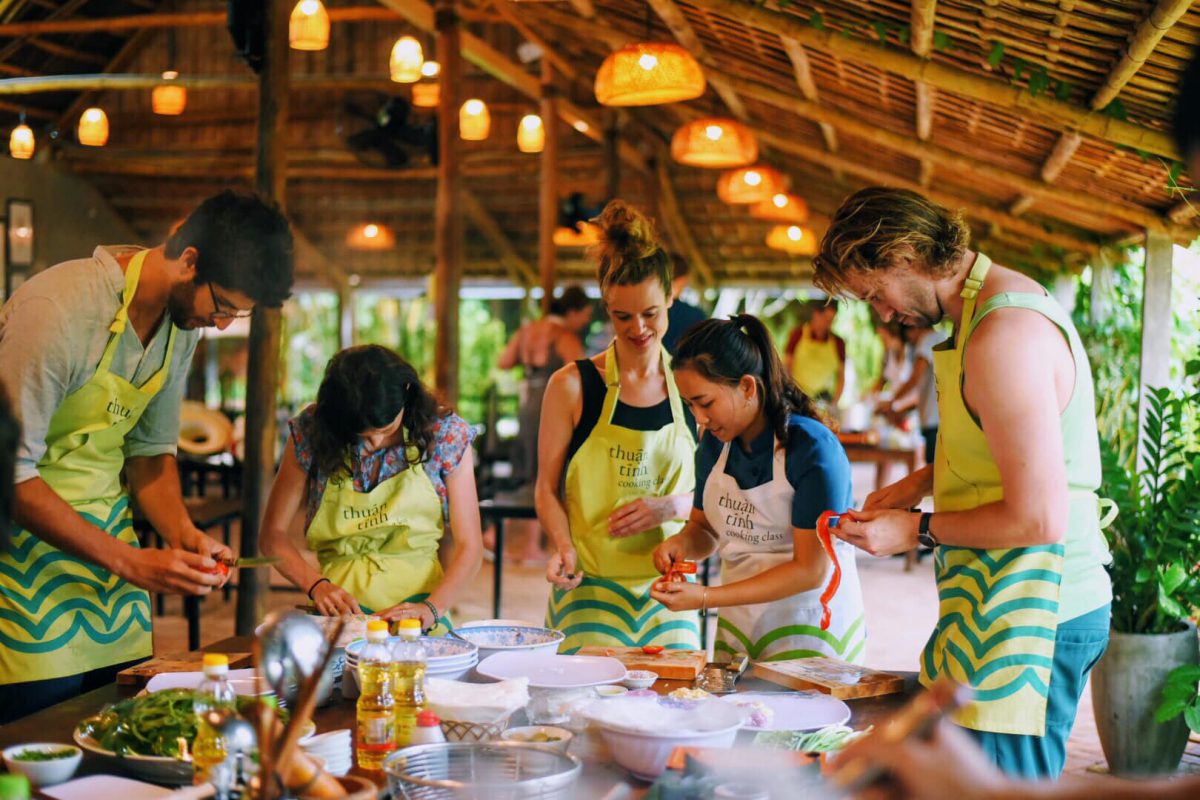
Taking a cooking class in Hoi An offers a unique chance to dive into the flavors of Vietnamese cuisine. Led by passionate local chefs, these classes will give you a fun, hands-on way to learn traditional recipes and cooking techniques while experiencing t
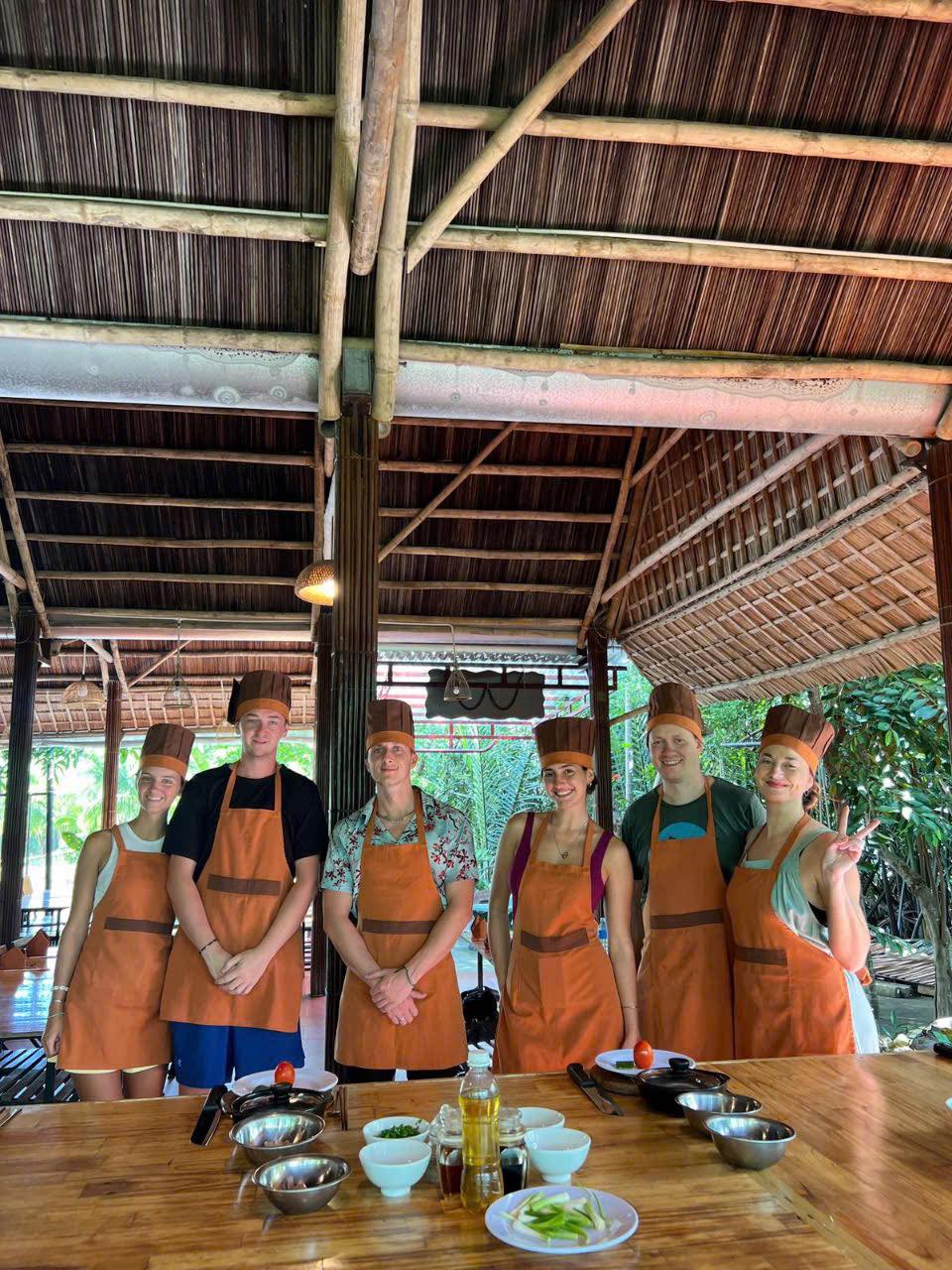
The majority of cooking classes bring you through the Central Market in Hoi An’s Old Town. However while this market is still a significant part of Hoi An, the authentic charm is diminishing due to the volume of tourists.
New English language guides from hoian.co connect local dishes market life and food traditions with the wider history of Hoi An
HOI AN, QUANG NAM, VIETNAM, August 19, 2026 /EINPresswire.com/ -- hoian.co today released an English-language collection of food and culture guides that helps international travelers understand Hoi An through its everyday cuisine, market life and long history as a trading town. The new resources move beyond restaurant rankings by connecting local dishes and eating habits to the town’s Central Vietnamese setting, commercial past and contemporary daily life.Food is often one of the first ways visitors encounter Hoi An. Travelers may arrive already looking for Cao Lau, chicken rice, dumplings or market stalls near the Old Town. These foods can be an important part of a visit, but short lists of dishes and restaurant recommendations may offer limited insight into the people, ingredients, work and local history behind a meal.
The new Cuisines collection approaches food as one way of understanding place. It includes a broad guide to Hoi An food, detailed articles on Cao Lau and Com Ga Hoi An, guidance on markets and street food across the day, and practical information for travelers considering cooking experiences.
Hoi An’s food culture belongs first to central Vietnam and the wider traditions of Quang Nam Province. Rice, noodles, herbs, fish sauce, pork, chicken, seafood and fresh greens shape many everyday meals. The town’s location near the Thu Bon River, the coast and farming areas also connects its kitchens with growers, market sellers, fishing communities and local food businesses.
Its historic role as a trading port adds further context. Hoi An developed through long periods of exchange involving Vietnamese communities, Chinese residents, Japanese merchants and other regional and overseas trading networks. This history helps explain why the town’s food sits within a culturally diverse urban landscape. It does not establish that every local dish came directly from a particular foreign cuisine or historical event.
The guides apply this distinction to Cao Lau, the noodle dish most closely associated with Hoi An. A typical bowl combines firm rice noodles, pork, fresh greens, bean sprouts, crisp crackers and a small amount of savory liquid. Stories about the use of water from the Ba Le well and wood ash in noodle making are an important part of local culinary memory. The collection presents those accounts carefully, recognizing their cultural meaning without treating every detail as a universal or unchanged production rule.
Com Ga Hoi An provides another way to consider the relationship between food and place. The meal usually combines yellow rice cooked with chicken stock, shredded chicken, herbs, pickles and light broth. Chicken-rice dishes appear across Southeast Asia, but the Hoi An version has its own local balance of rice, chicken, rau ram, onion, acidity and chili. The guides place that meal within a broader regional food context without making an unsupported claim of one direct origin.
Market life is also central to the collection. Hoi An Market remains a working place of commerce where food is connected to produce, herbs, seafood, dry goods and prepared meals. The guides encourage readers to see market eating as part of everyday urban life rather than as a checklist of items to collect. They organize food through the rhythms of a day, from simple morning meals to midday noodles and rice dishes, afternoon snacks and evening food.
The collection is designed for food travelers, first-time visitors to Vietnam, independent travelers and culture-minded readers who want more than a list of places to eat. It does not rank restaurants, claim one venue is the sole authentic version of a dish or present vendors and markets as staged attractions. Instead, it offers contextual guidance to help travelers choose meals according to timing, appetite, dietary needs and interest.
The guides also include practical reminders for respectful eating. Visitors are encouraged to ask before photographing people at work, keep market aisles and doorways clear, order only what they can reasonably finish and communicate dietary needs clearly. Information that can change, including vendors, menus, hours, prices and cooking-class operations, should be rechecked locally before travel.
The food and culture collection is part of hoian.co’s wider editorial platform for understanding Hoi An through places, history, culture, everyday life and trip planning. Its purpose is to help international readers see that a meal can connect ingredients, labor, memory and place without reducing local food to a tourism product.
Readers can explore Hoi An food and the stories behind it at https://hoian.co/cuisines/.
About hoian.co
hoian.co is an independent English-language travel information platform focused on Hoi An, Vietnam. It covers places, history, culture, cuisine, everyday life and practical trip planning for international travelers. The platform is part of the Vietnam Heritage content ecosystem and prioritizes accuracy, context and respectful travel.
Media Contact
Dung Quy Hoang
Editor
hoian.co
+84904437468
hello@hoian.co
https://hoian.co/
Dung Quy Hoang
Hoi An Co
+ + +84 904437468
hello@hoian.co
Visit us on social media:
Facebook
Legal Disclaimer:
EIN Presswire provides this news content "as is" without warranty of any kind. We do not accept any responsibility or liability for the accuracy, content, images, videos, licenses, completeness, legality, or reliability of the information contained in this article. If you have any complaints or copyright issues related to this article, kindly contact the author above.
