

‘Mastermind’ Review: Louis Koo Anchors an Audacious Hong Kong Thriller That Refuses to Play by the Rules
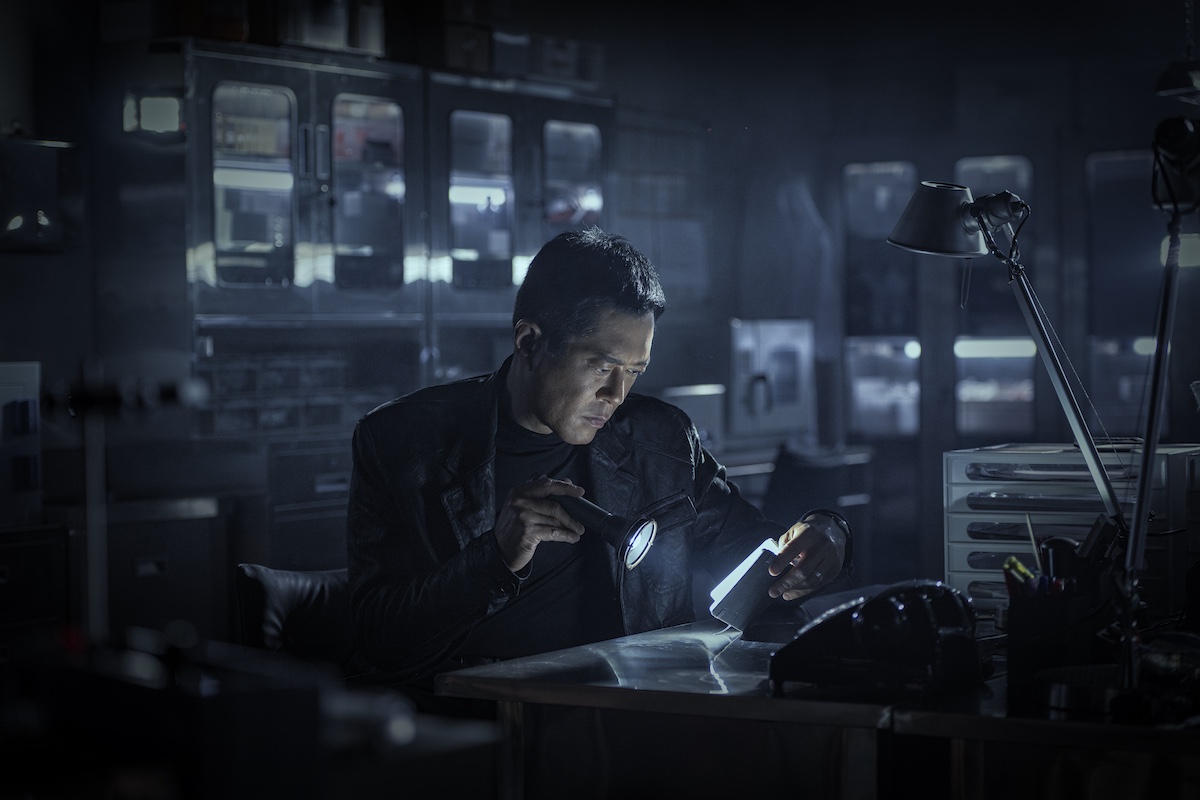
Investigating detective Maximo (Louis Koo) finds himself implicated in the very murder he is assigned to solve.
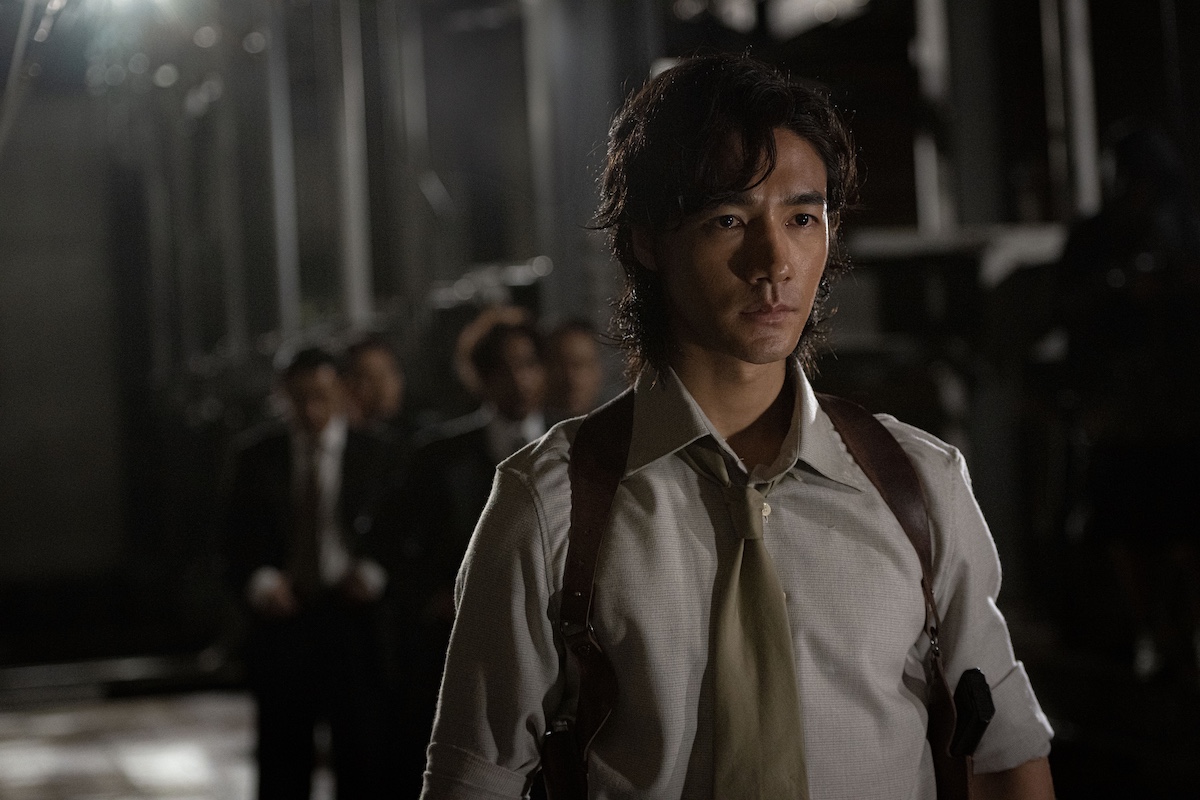
Ci Sha adds another layer of intrigue to the shifting loyalties and complex power dynamics in Mastermind (2026).
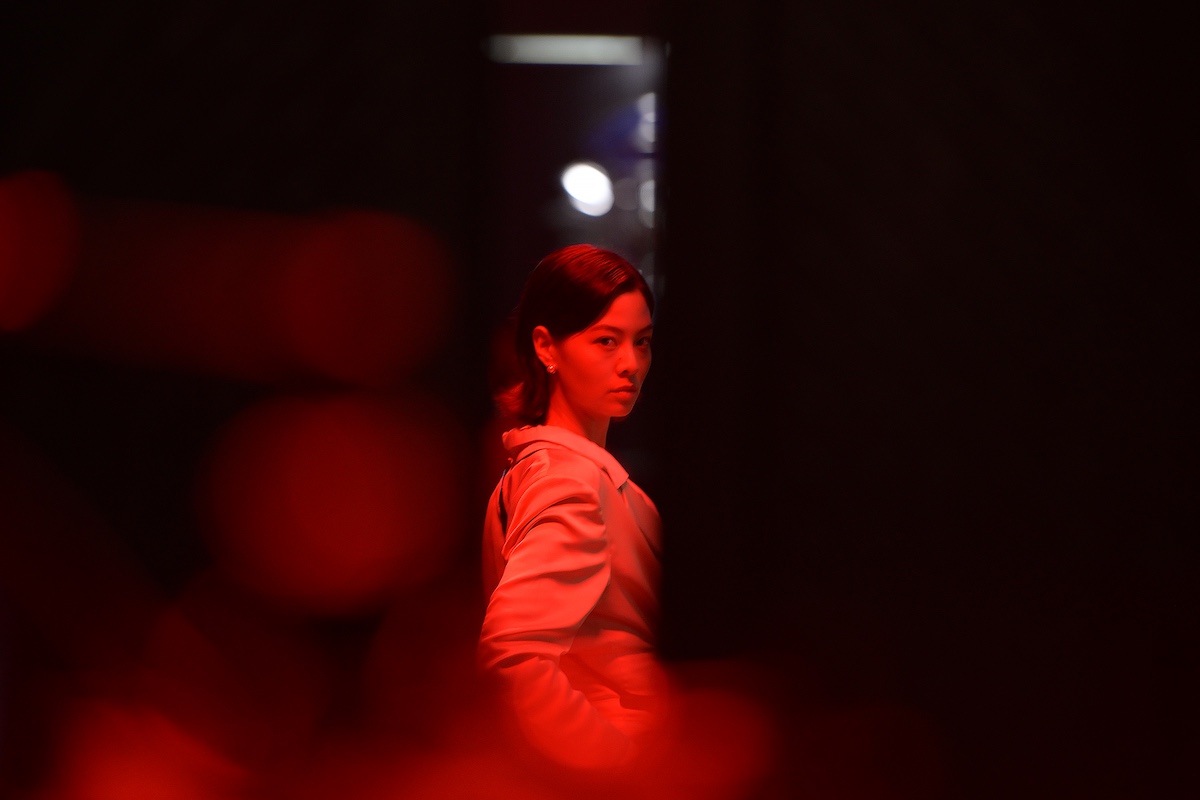
Amy Lo brings a fresh perspective as a forensic pathologist navigating the predominantly male world of law enforcement in Mastermind (2026).
Louis Koo leads a bold Hong Kong neo-noir thriller blending locked-room mystery, striking visuals, dark humor, and high-stakes police intrigue.
LOS ANGELES, CA, UNITED STATES, October 29, 2026 /EINPresswire.com/ -- Hong Kong crime cinema has never suffered from a shortage of ingenious criminals, compromised police officers or elaborate conspiracies. What it occasionally lacks is the willingness to rethink how those familiar ingredients might be assembled. In Mastermind (偵戰), director James L.J. Hung attempts precisely that, constructing a labyrinthine locked-room mystery around a detective implicated in the very crime he is assigned to solve. The result is an atmospheric, eccentric and occasionally exasperating thriller whose considerable cinematic ambition is matched by its appetite for complication.The premise is irresistible. A suspect disappears from a locked detention cell at the East Precinct Police Station, only to reappear dead roughly 10 kilometers away inside a secured archive at police headquarters. The murder investigation takes an improbable turn when a distinctive bullet numbered 9999, associated with investigating detective Maximo (Louis Koo), becomes evidence against him. What begins as an impossible disappearance rapidly becomes a professional nightmare.
The screenplay's most effective maneuver is this reversal of investigative authority. Rather than positioning its protagonist comfortably outside the mystery, observing events from a privileged distance, Mastermind makes him part of the puzzle. Every deduction carries personal consequences, and every apparent breakthrough threatens his credibility.
It is a clever departure from the familiar police procedural, although the film occasionally mistakes multiplying complications for deepening suspense.
Koo provides the necessary center of gravity. His Maximo is an intellectually formidable, scientifically minded detective whose analytical brilliance is accompanied by a conspicuous lack of social fluency. He processes information with clinical precision but approaches ordinary human interaction as though it were an unusually troublesome mathematical equation.
He is supported by an ensemble capable of giving the film's institutional maneuvering dramatic weight. Simon Yam brings imposing, understated authority to his Chief Inspector, while Tse Kwan-ho, playing the Deputy Commissioner of Intelligence, supplies a more tightly wound intensity. Ci Sha adds to the shifting professional relationships, while Amy Lo's forensic pathologist introduces a welcome perspective within a predominantly male hierarchy.
The actors are particularly effective at suggesting tensions the screenplay has insufficient time to develop. A hesitation, controlled expression or ostensibly routine exchange can carry the implication of competing loyalties. Their collective experience sustains the film even when several characters function chiefly as instruments for delivering information or advancing revelations.
Hung's direction is most distinctive in its treatment of physical space. Detention facilities, archives, interrogation rooms and police corridors form an elaborate geography of restricted access. The camera's attention to barriers, sightlines and the positioning of characters gives the investigation a spatial dimension often absent from contemporary procedural thrillers.
Confrontations across iron bars become especially suggestive. The apparent distribution of power can change through blocking alone, as the person physically confined assumes psychological control over the officer standing outside. These moments demonstrate how suspense can arise from composition rather than explanation.
The film's visual environment is equally assured. Hung imagines a fictionalized Hong Kong enveloped in relentless rain, lightning and neon reflected against darkened streets. Government interiors acquire a claustrophobic severity, while sealed archives and shadowy corridors seem to conceal dangers beyond the immediate investigation.
The atmosphere occasionally approaches comic-book expressionism, inviting comparisons with Gotham City. Yet the visual extravagance remains rooted in recognizable urban environments. Rather than inventing an entirely fantastical landscape, the film makes familiar settings appear subtly hostile.
One particularly effective image involves blood emerging beneath the door of a dark archive. Its impact depends on suggestion rather than spectacle: the audience sees the consequences of violence before understanding the circumstances. It is concise visual storytelling in a film that elsewhere struggles to resist explaining itself.
But Mastermind is not content to remain a cerebral detective story.
As the investigation expands, the film incorporates intelligence operations, scientific speculation, psychological manipulation and increasingly elaborate action sequences. Gunfights and explosive confrontations shift the emphasis toward the kinetic pleasures associated with Hong Kong crime cinema.
The transition is not entirely graceful. Hung seems determined to accommodate several different thrillers within approximately 90 minutes. Developments arrive so urgently that audiences sometimes have insufficient opportunity to assess their significance before another complication takes over.
Explanatory dialogue and flashbacks occasionally substitute for organic narrative development. Certain revelations seem designed less to illuminate character motivations than to extend the screenplay's elaborate machinery. A successful mystery encourages viewers to assemble clues and test hypotheses; Mastermind sometimes withholds so much context that meaningful participation becomes difficult.
Yet the film's unruliness is also part of its appeal.
Its unexpected black comedy recalls a distinctive quality of Hong Kong genre filmmaking: the ability to place absurdity, violence and bureaucratic self-importance within the same dramatic register. Workplace rivalries become almost farcical, professional arrogance borders on caricature, and institutional pomposity interrupts genuinely threatening situations.
Not every tonal collision succeeds, but the combination prevents the film from settling into anonymous procedural efficiency.
There are echoes of the spatial precision associated with Johnnie To and the heightened theatricality of Hong Kong's broader action tradition. Hung's approach, however, favors architectural puzzles and intellectual reversals over the choreography of physical confrontation. His most interesting contribution is the attempt to make detective fiction visually dynamic.
That ambition deserves recognition without excusing the film's shortcomings. Its characters are sometimes subordinated to its conceptual architecture, its explanations occasionally strain credibility, and its accumulation of genres lacks the discipline of the strongest Hong Kong noir.
Still, Mastermind offers something more valuable than another professionally assembled exercise in familiar conventions: a recognizable directorial personality.
Koo's controlled performance, an accomplished supporting ensemble and striking visual craftsmanship sustain a film whose storytelling is frequently more adventurous than elegant. Hung has not entirely mastered the elaborate structure he has constructed, but he understands that commercial entertainment need not surrender its imagination to formula.
Mastermind may not solve every problem it creates. Its achievement is making the problems sufficiently intriguing, and the world surrounding them sufficiently cinematic, that the experiment remains worth watching.
Noah Rodriguez
Cloqué
Legal Disclaimer:
EIN Presswire provides this news content "as is" without warranty of any kind. We do not accept any responsibility or liability for the accuracy, content, images, videos, licenses, completeness, legality, or reliability of the information contained in this article. If you have any complaints or copyright issues related to this article, kindly contact the author above.
